
What Are Ceramic Dental Implants?
October 8, 2026 9:00 amWhen you picture a dental implant, you might picture the tooth you will see when you smile. Beneath it, however, an implant sits in the jawbone and provides the support that holds the replacement in place. If you have been reading about ceramic dental implants, the word “ceramic” describes that supporting implant—not just the white tooth on top.
At Dallas Center for Oral Health and Wellness in Dallas, Texas, we offer ceramic implants as well as titanium options. You may already prefer one material, or you may want to hear how they compare before deciding. During a consultation, Dr. Anna Willison or Dr. Julia Willison can explain which systems we would consider for your missing tooth and how the choice affects placement, healing, and the finished restoration.
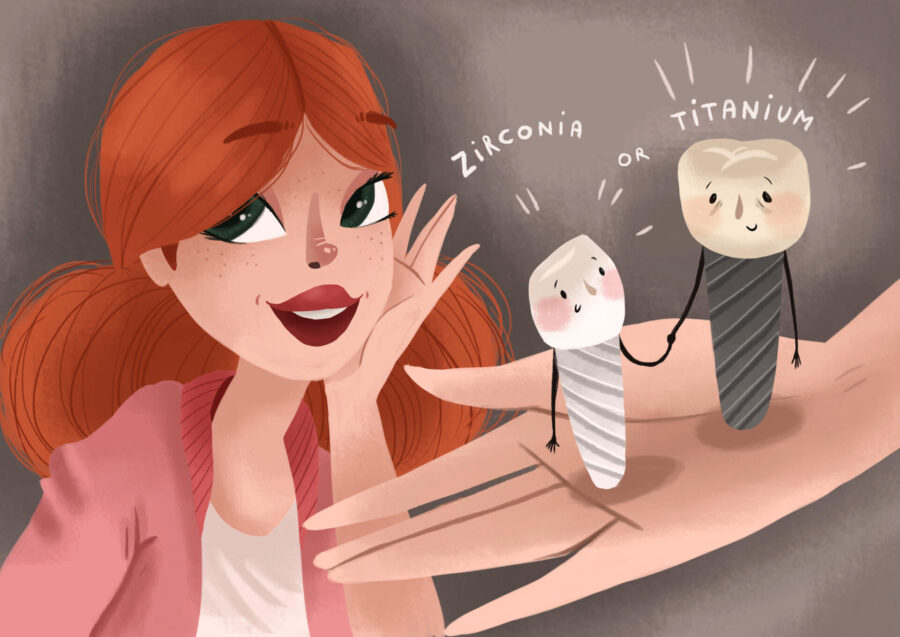
Ceramic Implants Use Zirconia
Ceramic implants are commonly made from zirconia, also called zirconium dioxide. Although the name may make you think of a fragile ceramic dish, dental zirconia is an engineered material made for use in the mouth and jaw. It is biocompatible, white, and the implant’s design allows it to support a replacement tooth once the surrounding bone has healed against it.
Titanium has a longer clinical track record and remains a common implant material. With either titanium or ceramic, we choose an implant system that fits the available bone and the tooth we need to replace. Your healing, gum health, and bite still affect how that implant performs over time.
With those differences in mind, we can review the ceramic system we would use and how it compares with titanium for your tooth. We will discuss its benefits and limitations for your tooth, including how much bone is available and the pressure it will face when you chew. If you have a diagnosed material allergy or sensitivity, bring that medical information so we can consider it during planning.
A Ceramic Crown Is Different From a Ceramic Implant Body
The crown is the part that looks and functions like a tooth above the gum. Below it, the implant anchors the tooth in the jaw, often with a connector called an abutment between the two. Because we can place a ceramic crown on a titanium implant, a white replacement tooth does not necessarily mean the implant underneath is ceramic.
Some ceramic implants come in one piece, while others have a separate connector above the part in the bone. With a one-piece system, that upper portion is already present while the implant heals, so protecting it from chewing pressure is important. The design also affects how we attach the final tooth, which is why we discuss the entire system rather than choosing from the material name alone.
If avoiding a material is one of your priorities, ask what we would use for the implant, connector, and crown. A ceramic crown can sit on a titanium implant, and different systems use different components. Knowing those parts helps you understand whether the proposed replacement meets your preference before surgery.
The Missing-Tooth Space Needs Enough Support
If a missing back tooth has had you chewing mostly on the other side, we start by checking that space and how the teeth meet. Imaging shows us the bone’s width and height and nearby structures such as nerves or the sinus. Even a gap that looks large in the mirror may need more bone before it can hold an implant.
After tooth loss, the ridge of bone under the gums can shrink. If it has become too narrow or low to hold the implant where the replacement tooth needs to sit, we may recommend bone grafting. We will explain whether we can do that during placement or need to let the graft heal first.
Along with checking the bone, we treat active gum disease or an infection that could interfere with implant healing. We also review smoking, medical conditions, and medicines that affect surgery or recovery. If we need more information about your health, we will coordinate with your medical clinician before proceeding.
Placement Is Followed by Bone Healing
Once the site is ready, we place the implant in the jawbone during surgery. Then the bone grows against and attaches to the implant surface over the following months, a process called osseointegration. That firm attachment helps the implant hold steady when you eventually bite and chew with the replacement tooth.
You may wear a temporary tooth during healing, if the gap shows when you smile. Although it can fill the space for appearance, it may not be ready for a bite into an apple or crusty sandwich. We will explain which side to chew on and how to protect the temporary and healing implant.
After placement, you may have soreness and swelling that gradually settle. We will go over cleaning, eating, and pain relief before you leave, including any extra steps needed if we also placed a graft. Of course, call about increasing pain, fever, or swelling that spreads so we can check how the area is healing.
Ceramic Implants Have Benefits and Limitations
The white color may help in an area where thin gum tissue could show the color of an implant underneath. However, the thickness of your gums and the position and shape of the replacement tooth also affect what you see when you smile. We consider those features together when planning the visible result.
Ceramic systems differ in the restorations they can support, and some have less long-term research behind them than widely used titanium systems. We also check how the design will handle your bite, because an implant or connector can fracture under stress. During the consultation, we will explain those limits for the system we would use, along with the reasons for recommending it.
An implant can fail to attach firmly to the bone, and inflammation can damage supporting tissue even after healing. Smoking, active gum disease, and certain medical conditions can raise the risk, while bite forces can stress the components. For that reason, controlling inflammation and following the healing restrictions remain important with ceramic as well as titanium.
Cleaning Continues After the Crown Is Finished
After the final tooth is in place, clean around the implant crown each day and reach beneath any areas where food collects. The crown cannot get a cavity, but plaque can trigger inflammation in the surrounding gums and damage the supporting bone. If floss is awkward around the new tooth, we can show you a tool that reaches the area more comfortably.
At follow-up visits, we look for inflammation around the implant and changes in the bite or bone support. A crown that feels loose may have a connector problem, while gum bleeding can signal bacterial buildup that needs treatment. If you grind your teeth, a protective appliance may help reduce the repeated force on the implant restoration.
Ceramic Implant Planning in Dallas
If you are weighing ceramic and titanium implants, bring your questions to Dallas Center for Oral Health and Wellness in Dallas, Texas. We can coordinate imaging, grafting when needed, and implant placement in our office, and Dr. Anna Willison or Dr. Julia Willison will explain the stages for your tooth. Schedule a consultation so we can talk through materials, temporary teeth, and returning to the foods you enjoy!
Image from Authority Dental under CC 2.0
Categorised in: Dental Implants