
How Often Should You Replace Your Toothbrush?
May 23, 2026 9:00 amMost people know they should replace their toothbrush regularly, but the timing is easy to lose track of. You buy a new one, use it every day, and then a few months pass before you notice the bristles are starting to flare or the brush does not feel as clean as it used to.
For most people, a toothbrush or electric toothbrush head should be replaced about every three to four months. However, it may need to be replaced sooner if the bristles are frayed, the brush has been stored damp, you have been sick, or it simply no longer feels fresh. A worn toothbrush may still look usable, but it usually does not clean as well.
At Dallas Center for Oral Health & Wellness in Dallas, TX, Dr. Anna Willison, Dr. Julia Willison, and Dr. Eugene Dahl, take a practical approach to home care. The right toothbrush should clean your teeth well, but it also needs to work for your mouth, your hands, your preferences, and your routine. For patients with sensory issues, that part matters a lot.
The General Rule for Replacing a Toothbrush
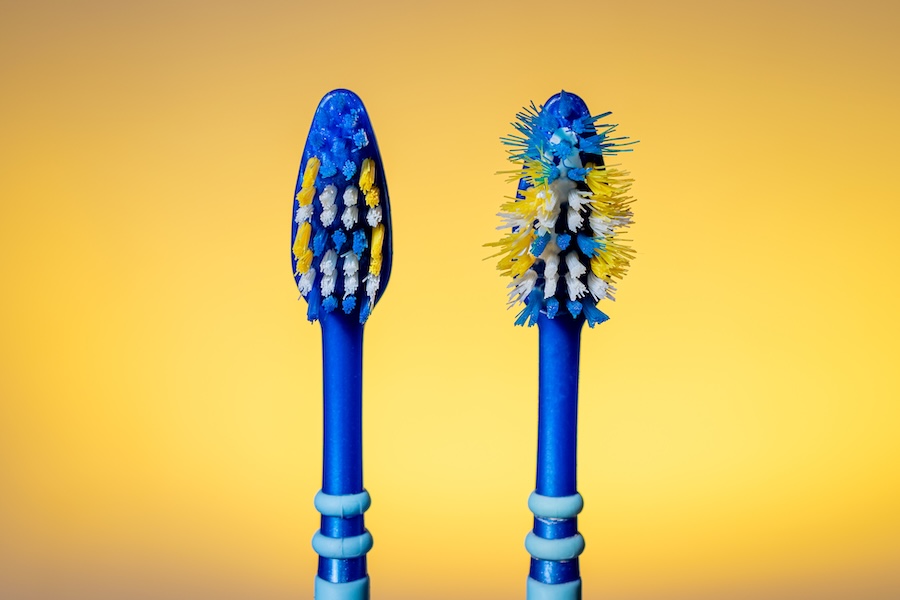
A good baseline is to replace your toothbrush every three to four months. By that point, the bristles often start to lose their shape, even if the brush does not look completely worn out. Once the bristles bend or spread, they are less effective at cleaning along the gumline and between small grooves in the teeth.
The same rule applies to electric toothbrush heads. The handle may last for years, but the brush head does the daily work. If your electric brush has indicator bristles that fade with use, those can be a helpful reminder. Still, you do not have to wait for the indicator to disappear if the brush head already looks worn.
Some people find it easier to replace their toothbrush at the start of each season. Others replace it when they open a new tube of toothpaste or after a dental cleaning. The exact reminder is not as important as having a system that keeps the brush from staying in rotation too long.
If your toothbrush wears out long before three months, that is useful information too. It may mean you are brushing with more pressure than needed or that the brush style is not a good match for your mouth.
Signs You Should Replace Your Toothbrush Sooner
The three-to-four-month rule is a guideline, not a deadline. If the bristles are frayed, flattened, splayed outward, discolored, or clumped together, it is time for a new brush. A toothbrush with worn bristles may miss plaque and can feel rougher against the gums.
You may also want to replace your toothbrush after an illness, especially if you had a stomach bug, strep throat, flu, or another infection. While a new brush is not always required after every mild cold, many people prefer the fresh start.
Storage can affect replacement timing as well. If your toothbrush stayed damp in a travel case for several days, developed an odor, fell somewhere dirty, or was accidentally used by someone else, replacing it is the easiest choice.
Children’s toothbrushes often need to be replaced more often than adult brushes. Kids may chew on the bristles, bite down while brushing, or use uneven pressure. If the brush looks worn, do not worry about waiting until the calendar says it is time.
What Worn Bristles Can Tell You
Frayed bristles do not just mean the toothbrush is old. They can also be a clue about brushing pressure. Many people brush harder than they need to because it feels like more pressure should mean cleaner teeth. However, plaque is soft, and it does not require aggressive scrubbing to remove.
When bristles flare out quickly, the gums and enamel may be getting more force than they need. Over time, heavy brushing can contribute to gum irritation, gum recession, and sensitivity near the gumline. It can also make brushing feel unpleasant, which makes the habit harder to keep.
A lighter grip can help. Instead of holding the toothbrush in a tight fist, try holding it more like a pencil. Use small, controlled movements and let the bristles do the work. If you use an electric toothbrush, guide it slowly instead of scrubbing with it.
If your toothbrush keeps wearing out quickly even with a softer touch, bring it up at your next visit. Dr. Willison, Dr. Dahl, or Dr. Carr can look at your brushing technique and suggest a brush that may fit better.
What Type of Toothbrush Should You Use?
For most people, a soft-bristled toothbrush is the safest choice. Medium and hard bristles can be too rough, especially near the gumline. A soft brush can clean well without creating unnecessary irritation.
Brush size matters too. A smaller head may be easier to maneuver, especially around back molars. It can also help if you have a small mouth, jaw tension, a strong gag reflex, or sensory discomfort with larger brush heads.
Manual and electric toothbrushes can both work well. An electric brush can be helpful for people who have trouble brushing long enough, reaching certain areas, or using consistent movements. However, a manual brush may feel better for someone who dislikes vibration, sound, or the pulsing sensation of an electric brush.
The best toothbrush is not always the one with the most features. It is the one that helps you clean your teeth well and that you can use consistently without dreading the routine.
What If Toothbrushing Feels Uncomfortable or Hard to Tolerate?
For some people, brushing is not as simple as picking up a toothbrush and getting it done. The bristles may feel too sharp. The brush head may feel too large. Toothpaste may taste too strong, foam too much, or leave a texture that lingers. An electric toothbrush may be too loud or too buzzy. The back teeth may trigger gagging, even with a small brush.
When brushing feels this way, the solution is usually not to push through with a brush or toothpaste you dislike. It is better to adjust the routine until it becomes something you can repeat. That may mean choosing an extra-soft brush, using a smaller brush head, switching to a different handle shape, brushing in sections, or using less toothpaste.
Some patients do better with a manual brush because they can control the speed and pressure. Others prefer an electric brush with a sensitive setting because it requires less hand movement. There is no single best toothbrush for every person. The best option is the one that cleans effectively and feels realistic enough to use every day.
If brushing is difficult because of sensory sensitivities, anxiety, autism, ADHD, a strong gag reflex, or past dental experiences, it is worth talking about at your visit. Dr. Willison, Dr. Dahl, or Dr. Carr can help you find small changes that make home care more manageable without making the routine feel harsh.
Manual vs. Electric Toothbrushes for Sensory Comfort
Electric toothbrushes are often recommended because they can clean well with less hand movement. However, that does not mean they are comfortable for everyone. The vibration, sound, timer pulses, and buzzing against the teeth can feel like too much for some patients.
If you want to try an electric toothbrush, start slowly. You can place the brush in your mouth while it is turned off first, then turn it on for a short section of brushing. A sensitive mode, smaller brush head, and quieter motor may also help.
On the other hand, a manual toothbrush gives you more control over speed, angle, and pressure. That can feel better if vibration is the problem. It may also be easier to pause, switch areas, or brush in shorter sections.
Either choice can work. The important part is finding a brush that cleans well and does not make brushing feel like something you have to talk yourself into twice a day.
How Toothpaste Can Affect the Brushing Experience
Sometimes the toothbrush is only part of the problem. Toothpaste can make brushing harder too, especially if the flavor, foam, texture, or aftertaste feels unpleasant. Strong mint is a common issue, but some patients also dislike gritty pastes, thick foaming formulas, or toothpaste that leaves a coating in the mouth.
If toothpaste makes brushing harder, try changing one thing at a time. A milder flavor, low-foam formula, gel texture, or smaller amount of toothpaste may feel better. Some patients also prefer brushing with water first, then adding toothpaste for part of the routine once the brush itself feels tolerable.
If every toothpaste feels difficult to tolerate, bring that up during your visit. The team can help you talk through options without making the routine more complicated than it needs to be.
How to Store Your Toothbrush
A toothbrush should dry between uses. After brushing, rinse it well, shake off extra water, and store it upright in open air. A damp toothbrush kept in a closed case every day can start to feel stale and may not dry well.
If several toothbrushes are stored in the same holder, try to keep the heads from touching. This helps reduce cross-contact between brushes. Toothbrushes do not need to be stored in a sterile environment, but they should have space to dry.
Travel is the one time a toothbrush cover makes sense. A cover can keep the bristles clean in a bag, but once you arrive, remove the cover and let the brush air-dry. If it stays sealed while damp for days, it may need to be replaced sooner.
Also, replace the brush if it falls somewhere dirty or is accidentally used by someone else. In those cases, cleaning it is usually not worth the second-guessing.
Toothbrush Tips for Children and Sensory-Sensitive Patients
Children and sensory-sensitive patients often do better when the routine includes some choice. The color of the brush, handle shape, toothpaste flavor, brush size, or time of day may seem like small details, but they can make brushing feel more manageable.
For children, a small brush head and soft bristles are usually best. Some kids do well with a song, timer, or brushing chart. Others do better with less noise and a quieter routine. If a child chews the bristles, the brush may need to be replaced more often.
For adults with sensory concerns, it can help to break the routine into sections. Brush the easiest areas first, pause if needed, and then move to the harder spots. You can also try brushing at a time of day when you feel less rushed.
A routine does not have to look perfect to be useful. The goal is to build something consistent enough to protect your teeth and gums without turning brushing into a daily struggle.
When to Ask Your Dentist for Help
If brushing hurts, causes gagging, makes your gums bleed, or feels so unpleasant that you avoid it, bring it up during your dental visit. Home care should be discussed honestly, not treated like a test you either pass or fail.
Dr. Willison, Dr. Dahl, and Dr. Carr can check whether gum inflammation, recession, cavities, tooth sensitivity, dry mouth, or jaw issues are making brushing harder. Then they can suggest toothbrush styles, toothpaste options, cleaning tools, or routine changes that may feel better.
This can be especially helpful if you have sensory issues, anxiety, autism, ADHD, a strong gag reflex, or past dental experiences that make oral care more difficult. Even a small adjustment can change the way brushing feels.
If your toothbrush keeps wearing out quickly, your gums feel sore after brushing, or you are unsure what type of brush to use, ask. A few specific recommendations can make home care much easier to keep up with.
Toothbrush Replacement and Dental Care in Dallas, TX
Replacing your toothbrush every three to four months is a good general rule. However, you may need a new one sooner if the bristles fray, the brush has been stored damp, you have been sick, or it no longer feels clean.
If you have sensory issues, the right toothbrush may take some trial and error. A smaller head, extra-soft bristles, a different handle, a milder toothpaste, or a slower brushing routine may make daily care feel more realistic.
At Dallas Center for Oral Health & Wellness in Dallas, TX, Dr. Anna Willison, Dr. Julia Willison, and Dr. Eugene Dahl help patients find practical ways to care for their teeth at home. If brushing feels uncomfortable, frustrating, or hard to keep up with, schedule a visit. A personalized conversation can help you protect your smile in a way that better fits your needs.
FAQs
How often should you replace your toothbrush? Most people should replace their toothbrush or electric toothbrush head every three to four months. Replace it sooner if the bristles are frayed, flattened, dirty, or uncomfortable.
Should I replace my toothbrush after being sick? Many people choose to replace their toothbrush after an illness, especially after a stomach bug, flu, strep throat, or another infection. It can also help the brush feel fresh again.
Are soft toothbrushes better? For most patients, yes. Soft bristles clean well without being too rough on the gums or enamel. Medium or hard bristles may irritate the gums, especially with firm brushing.
What toothbrush is best for sensory issues? Many sensory-sensitive patients prefer an extra-soft toothbrush with a smaller head and comfortable handle. Some prefer manual brushes, while others like an electric brush on a sensitive setting.
What if toothpaste bothers me? Try a milder flavor, low-foam formula, gel texture, or smaller amount. You can also ask your dentist about options that fit your ingredient preferences and cavity risk.
Why do my toothbrush bristles wear out so fast? Fast fraying often means too much brushing pressure or chewing on the brush. A softer grip, smaller movements, or a different brush style may help.
Categorised in: Oral Hygiene