Communication Tips for Dental Visits: Visual Supports, Choice-Making, and Predictability
February 23, 2026 9:00 amCommunication tips for dental visits can completely change how patients experience dental care. For many people, a trip to the dentist feels stressful. Sometimes it is the sounds. Sometimes it is the uncertainty. Other times, it is simply not knowing what will happen next.
At Dallas Center for Oral Health & Wellness, communication is not an afterthought. It is a core part of holistic dentistry. Dr. Anna Willison, Dr. Eugene Dahl, and Dr. Azita Carr believe that emotional comfort supports physical health. And that begins with clear, respectful communication.
When visual supports, choice-making, and predictability are used together, patients feel calmer. They feel heard. Most importantly, they feel safe.
Let’s explore how these strategies make dental visits smoother and more empowering for individuals and families in Dallas, TX.
Why Communication Matters in Holistic Dental Care
Holistic dentistry looks at the whole person. Teeth are connected to the body. Stress affects healing. Anxiety can influence pain perception. Therefore, communication is not just polite conversation. It is clinical care.
When patients understand what is happening, their nervous system relaxes. When they feel included in decisions, trust grows. On the other hand, rushed explanations can create tension. Even small misunderstandings can increase fear.
Effective communication during dental visits helps:
- Reduce anxiety
- Improve cooperation
- Strengthen patient-dentist relationships
- Increase treatment acceptance
- Support better long-term outcomes
In short, clear communication is preventive care.
Visual Supports: Making Dental Care Easier to Understand
Many patients fear what they cannot see. Visual supports remove the mystery.
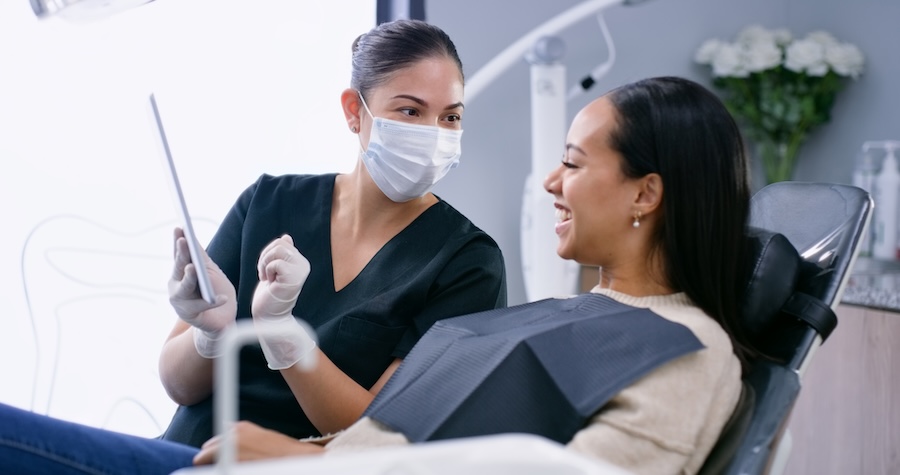
Instead of simply describing a cavity, a dentist can show it using an intraoral camera image. Rather than explaining gum inflammation in abstract terms, a visual comparison can clarify the issue instantly.
Visual supports may include:
- Digital images of teeth
- X-rays explained step by step
- Simple diagrams of procedures
- Written treatment outlines
- Visual schedules for children
For children especially, visual schedules are helpful. A simple sequence such as “Check-in, Exam, Cleaning, Review, Done” sets clear expectations. That structure reduces stress.
Adults benefit too. Seeing a cracked filling on a screen builds understanding. It also builds confidence in the treatment plan.
Visual learning works across ages. And in a holistic practice, education is part of wellness.
Choice-Making: Empowering Patients in the Dental Chair
Choice-making may sound small, yet it makes a significant difference. When patients have options, they feel involved. And when they feel involved, fear often decreases.
Choice-making does not mean compromising clinical standards. Instead, it means offering reasonable preferences within safe boundaries.
Examples include:
- Choosing the flavor of polishing paste
- Selecting music during treatment
- Deciding whether to receive detailed explanations or brief summaries
- Agreeing on hand signals to pause treatment
- Scheduling appointments at preferred times
These small decisions restore a sense of control. Dental anxiety often stems from feeling powerless. Offering choices counters that feeling.
Holistic dentistry respects autonomy. Shared decision-making aligns with the belief that patients are partners in care.
Predictability: Reducing Surprises and Building Calm
Uncertainty triggers stress. Predictability reduces it.
When patients know what will happen next, their bodies relax. For example, hearing, “You will feel slight pressure for ten seconds,” is far more reassuring than silence.
Predictable dental visits often follow a clear structure:
- Warm greeting
- Overview of the appointment
- Step-by-step explanations
- Check-ins during treatment
- Final review and next steps
Consistency also matters. If appointments follow a similar flow each time, patients feel familiar with the process.
Children thrive with predictability. So do adults, even if they do not say it out loud.
Communication for Children and Families
Children respond strongly to tone and body language. Simple language works best. Instead of complex terms, dentists can use clear, calm explanations.
Parents can support communication by:
- Talking positively about dental visits
- Avoiding negative language
- Reading books about dental care
- Practicing at home
Role-play can help. Pretend to count teeth. Practice opening wide. Keep it light. Make it routine. When children feel prepared, appointments often go smoothly. And positive early experiences shape lifelong dental habits.
Supporting Neurodivergent and Sensitive Patients
Some patients have sensory sensitivities or communication differences. For them, structured communication is especially helpful.
Helpful strategies may include:
- Scheduling quieter appointment times
- Offering pre-visit consultations
- Using literal, clear language
- Avoiding sudden movements
- Allowing breaks during procedures
Predictability and visual supports are powerful tools in these situations. With thoughtful planning, dental visits can become manageable and even comfortable.
Holistic dentistry recognizes that every patient is unique. Personalization is essential.
The Importance of Tone, Body Language, and Environment
Words matter. Yet tone and posture matter just as much.
A calm voice reduces tension. A relaxed posture communicates patience. Direct eye contact shows attentiveness.
Dental professionals who move deliberately rather than quickly create a more peaceful atmosphere. Small pauses between steps also help.
Environment plays a role as well. Soft lighting and a clean, organized space support relaxation. While clinical care remains the priority, emotional comfort enhances the experience.
Encouraging Open Dialogue During Dental Visits
Many patients hesitate to ask questions. They may worry about sounding uninformed. However, questions indicate engagement.
Dentists can invite discussion by asking:
- “What concerns do you have?”
- “Would you like more detail?”
- “How does this plan feel to you?”
Open-ended questions encourage conversation. They also reveal hidden worries.
Clear explanations about cost, treatment length, and alternatives improve trust. Transparency reduces confusion.
Holistic Dentistry and Whole-Body Wellness
At Dallas Center for Oral Health & Wellness, holistic care connects oral health with overall well-being. Dr. Anna Willison, Dr. Eugene Dahl, and Dr. Azita Carr emphasize biocompatible materials and minimally invasive treatment options.
However, clinical decisions are always explained clearly. Patients receive information in simple language. They are encouraged to participate in care planning.
This approach supports long-term wellness. It also strengthens the patient-provider relationship.
Frequently Asked Questions
How do communication tips for dental visits reduce anxiety?
Clear explanations, visual aids, and predictable routines reduce fear of the unknown. When patients understand what is happening, they feel calmer.
Are visual supports only helpful for children?
No. Adults benefit greatly from visual explanations. Seeing images increases understanding and confidence.
Why is choice-making important in dental care?
Choice restores a sense of control. Even small preferences help patients feel empowered.
Can communication strategies help patients with past dental trauma?
Yes. Trauma-informed communication focuses on pacing, consent, and predictability. It prioritizes emotional safety.
What makes holistic dentistry different in communication?
Holistic dentistry emphasizes whole-body wellness and shared decision-making. Communication is central to that philosophy.
How can I prepare before my dental appointment?
Write down questions, practice calming breathing, and review the appointment plan. Preparation reduces uncertainty.
Communication-Focused Dental Care in Dallas, TX at Dallas Center for Oral Health & Wellness
If you are looking for a calmer dental experience in Dallas, communication truly matters. At Dallas Center for Oral Health & Wellness, patients receive thoughtful explanations, meaningful choices, and structured appointments designed for comfort.
Dr. Anna Willison, Dr. Eugene Dahl, and Dr. Azita Carr understand that trust takes time. They prioritize clear dialogue, predictable care, and whole-body wellness.
If you would like a more supportive approach to dental care, call the Dallas office today to schedule a consultation. Ask questions. Share your concerns. Experience dental visits built on clarity, respect, and partnership.
Categorised in: Dental Anxiety, Dental Tips, Our Office