
Bleeding Gums: What It Usually Means and What to Do Next
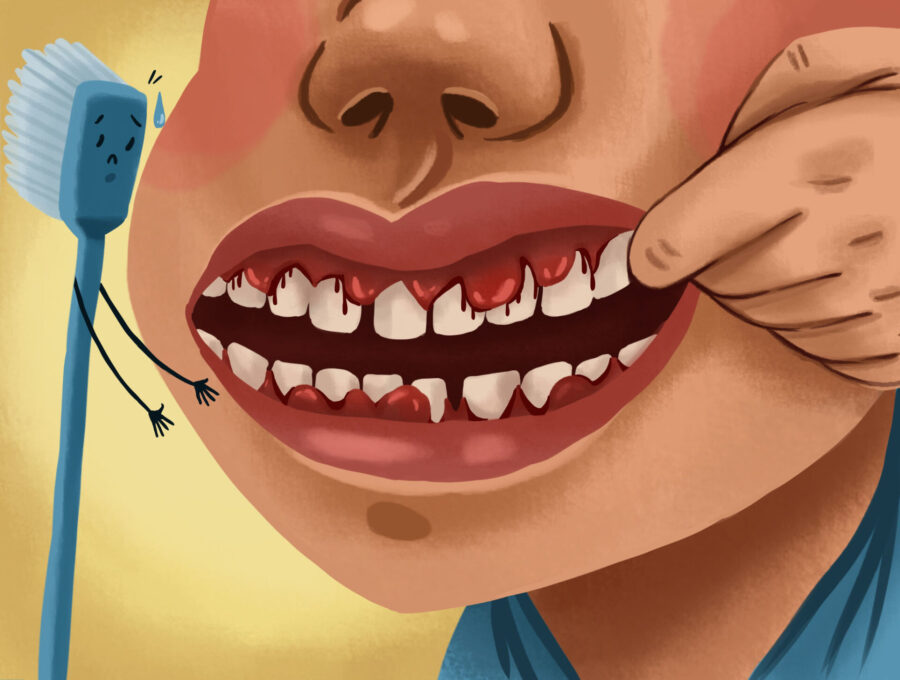
March 18, 2026 9:00 amIt’s a small detail, but it tends to catch your attention. You’re brushing or flossing, and there it is—just a hint of pink in the sink. It doesn’t hurt, so it’s easy to brush it off and move on with your day.
Still, gums don’t usually bleed without a reason. In most cases, it’s your body’s way of signaling inflammation along the gumline—something that’s often manageable early on, but worth paying attention to.
At Dallas Center for Oral Health & Wellness in Dallas, TX, Dr. Anna Willison, Dr. Julia Willison, and Dr. Eugene Dahl often talk with patients about this exact situation. The good news is that, in many cases, bleeding gums are one of the more reversible dental concerns when addressed early.
The Most Common Cause: Gingivitis
The most frequent reason gums bleed is gingivitis, the earliest stage of gum disease.
Gingivitis develops when plaque—a thin, sticky layer of bacteria—builds up along the gumline. Even with regular brushing, certain areas can be easy to miss, especially between teeth or just under the edge of the gums.
As that buildup sits, the gums react. They may look slightly red, feel a bit tender, or bleed when brushing or flossing.
The encouraging part is that gingivitis can improve with consistent care. In many cases, it takes about two to three weeks of good home care—brushing, flossing, and professional support if needed—for the gums to settle back down and look healthier again.
When It Happens After You Start Flossing
One of the more confusing situations is when bleeding begins right after someone starts flossing more consistently.
It’s a common pattern. You decide to improve your routine, and a few days later your gums seem to protest. In reality, this is often a sign that the gums were already inflamed and are now being cleaned more thoroughly.
With consistent flossing, the tissue typically becomes less irritated, and the bleeding fades. It’s one of those situations where sticking with the habit—even when it feels a little discouraging at first—usually leads to improvement.
Plaque and Tartar Buildup
When plaque isn’t removed regularly, it hardens into tartar along the gumline.
Tartar creates a rough surface where bacteria can continue to collect, keeping the gums in a constant state of irritation. At that point, brushing and flossing alone can’t fully resolve the issue.
Professional dental cleanings and periodontal therapy remove tartar and give the gums a chance to heal without that ongoing source of inflammation.
Other Factors That Can Contribute
While plaque is the most common cause, several other factors can make gums more prone to bleeding:
Hormonal changes, such as pregnancy or puberty
Medications, including blood thinners
Dry mouth, which allows bacteria to linger longer
Vitamin deficiencies, particularly low vitamin C or vitamin K
Underlying health conditions, such as diabetes
These factors don’t necessarily cause the problem on their own, but they can make the gums more sensitive to plaque and inflammation.
When Bleeding Gums Become More Concerning
Occasional bleeding may be mild, but persistent symptoms can signal something more advanced.
If gingivitis is not addressed, it can progress into periodontitis, where the infection begins to affect the bone and supporting structures around the teeth.
Signs to watch for include:
Bleeding that doesn’t improve over time
Gums that appear swollen or begin to recede
Persistent bad breath
Teeth that feel slightly loose or different when biting
At that stage, treatment often involves more than a routine cleaning and may require periodontal therapy to stabilize the gums.
What You Can Do at Home
If you notice bleeding gums, a few steady habits can make a meaningful difference:
Brush twice daily with a soft-bristled toothbrush
Floss once a day, even if there is mild bleeding at first
Focus on cleaning along the gumline
Rinse with water after meals to help reduce buildup
It’s worth keeping in mind that improvement tends to be gradual. Gums don’t usually change overnight, but with consistent care, they often respond well.
Gum Health Care at Dallas Center for Oral Health & Wellness in Dallas, TX
Bleeding gums are often an early signal that your gums need attention, and addressing it early can make things much simpler moving forward.
At Dallas Center for Oral Health & Wellness in Dallas, TX, Dr. Anna Willison, Dr. Eugene Dahl, and Dr. Julia Willison take a thoughtful approach to gum health, helping patients understand not just what is happening, but why.
If you’ve noticed bleeding when brushing or flossing, it’s worth taking a closer look. Scheduling an appointment at Dallas Center for Oral Health & Wellness in Dallas, TX can help identify the cause and get you on a path toward healthier, more comfortable gums.
Image from Authority Dental under CC 2.0
Categorised in: Gum Health